Frequently Asked Questions

Explore clear, lore-friendly answers to the questions players ask most about Lastraisse—from your very first quest to advanced story decisions and community contributions.

Need a faster answer?

Core knowledge about Lastraisse in one place.

  • Beginner-friendly guidance
  • Platform & performance details
  • Story, classes, and combat insights

Lastraisse is built as a knowledge hub for players entering a dark medieval realm for the first time. You do not create an in-site account to play the game; instead, you use Lastraisse as your trusted companion alongside the game client.

  1. Purchase and install the game. Buy the game on your preferred platform store (PC, Xbox, or PlayStation) and complete the installation process.
  2. Complete the in-game tutorial. Follow the game’s prologue to learn the basics: movement, light attacks, heavy attacks, dodging, and interacting with NPCs.
  3. Bookmark Lastraisse. Keep https://lastraisse.com/ open on a second monitor, device, or browser tab for quick-reference guides while you play.
  4. Start with beginner guides. Visit the Overview page to understand factions, basic combat, and early-game decisions, then explore Classes for starter builds.
  5. Use checklists while you play. As you clear early zones, consult our Combat and Lore pages to identify side quests, collectibles, and story-critical choices.

For a structured onboarding path, combine this FAQ with our curated articles on the Blog page, where we maintain beginner guides, mistakes to avoid, and path recommendations for your first 10 hours.

Dark fantasy battle scene from Lastraisse displayed across PC and console platforms

Lastraisse focuses on a fantasy action RPG experience available on three main platforms:

  • PC (Windows) via major digital storefronts
  • Xbox Series X|S / Xbox One
  • PlayStation 5 / PlayStation 4

For each platform we provide tailored optimization guidance in the Overview and Combat sections, including controller presets, UI readability, and performance tips.

System requirements (PC overview)

Exact requirements may evolve with patches, but you should generally target:

  • Minimum: Modern quad-core CPU, 8 GB RAM, dedicated GPU with 4 GB VRAM, SSD strongly recommended.
  • Recommended: Six-core CPU, 16 GB RAM, mid-range or better GPU with 6–8 GB VRAM for stable frame rates in large battles.

Performance & experience tips

  • Use performance or balanced modes on consoles when tackling large-scale faction wars.
  • On PC, reduce shadow quality and volumetric effects first; they have high impact with minimal visual loss.
  • Enable subtitles and high-contrast UI options to better follow dialogue-heavy encounters.

For a platform-by-platform breakdown, visit the Game Overview page where we maintain a table of recommended settings and controller mappings.

Lastraisse centers on a branching, choice-driven action RPG experience set in a fractured medieval realm. The key pillars include:

  • Tactical melee and magic combat with stamina management, timed blocks, dodges, and spell weaving.
  • Factions in conflict where your alliances shape access to quests, gear, and endings.
  • Quest chains with consequences that can lock or unlock whole regions depending on who you help—or betray.
  • Progression systems based on experience, gear rarity, and reputation with key powers.
  • Flexible builds & classes that let you pivot between knight, inquisitor, rogue, or hybrid archetypes as you master the game.

We map these systems across several pages:

  • Overview — high-level summary of what defines the Lastraisse experience.
  • Classes — stats, scaling, and build archetypes for each combat style.
  • Combat — advanced fight theory, boss patterns, and survival tactics.
  • Lore — factions, kingdoms, and the history that motivates your choices.

To see these features in context, visit the Blog or News pages for deep-dive articles and patch-driven combat adjustments.

Lastraisse treats classes as starting points rather than rigid prisons. You begin with a basic archetype, but your build evolves through story decisions, gear choices, and talent allocations.

Unlocking new class paths

  1. Reach early faction hubs. After the prologue, you will encounter representatives of major factions; speaking to them unlocks new combat schools.
  2. Complete initiation quests. Each advanced class requires a short trial chain that showcases its philosophy and mechanics.
  3. Spend specialization points. As you level, you gain points that can be invested into class-specific nodes, gradually transforming your base class into a hybrid.

Experimenting with builds safely

  • Respec shrines allow you to reset talent points for a cost, encouraging experimentation.
  • Weapon and armor sets dramatically alter playstyle; we recommend trying at least one light, medium, and heavy configuration by mid-game.
  • Our Classes page lists curated builds labelled as Beginner Friendly, High Skill Ceiling, and Co-op Support.

For meta builds and patch-sensitive theorycrafting, follow new posts on the Blog, where we annotate which guides are affected by balance updates from the News page.

Lastraisse is primarily a narrative-driven action RPG but offers select multiplayer and co-op options depending on the platform and mode.

Co-op structure

  • Story co-op: Certain regions and dungeons allow a friend to join your world and assist with combat and exploration.
  • Boss co-op: Summoning items or obelisks near major boss arenas lets you request aid from other players.
  • Limited PvP: Invasion-style encounters are available in high-risk areas for players who opt in.

How matchmaking works

  1. Enable online features and crossplay (if supported on your platform) in the game’s network settings.
  2. Use designated co-op signs or items in eligible zones to advertise that you are ready for cooperation.
  3. Matchmaking prioritizes similar character level and story progression to reduce spoilers.

We maintain co-op etiquette tips and connection troubleshooting on the Combat page, with additional strategy write-ups for duo playstyles on the Blog.

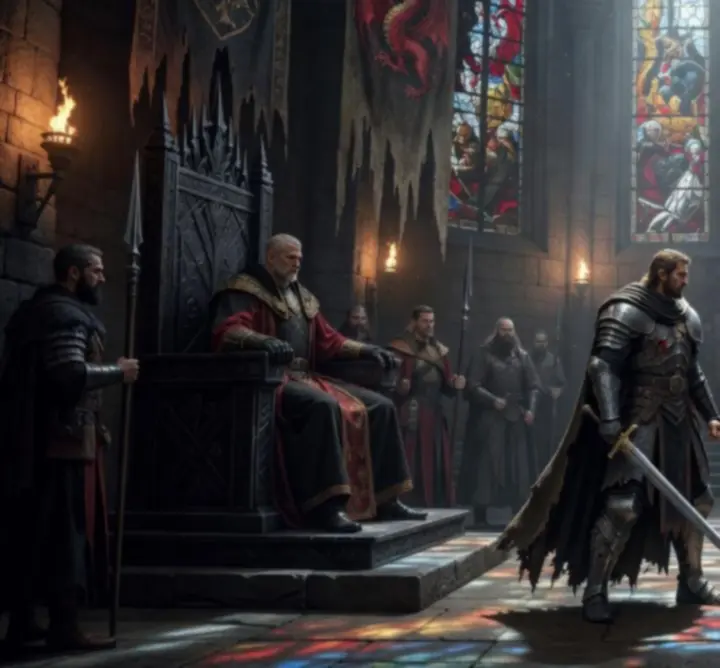
Two opposing leaders facing each other in a tense Lastraisse story decision

Story choices are the heart of Lastraisse. The realm responds not just to who you defeat, but to who you choose to spare, empower, or betray.

Types of consequences

  • Immediate: NPCs live or die, villages burn or survive, and certain loot becomes permanently unavailable.
  • Mid-term: Faction reputation alters prices, access to black-market vendors, and whether certain bosses appear.
  • Long-term: Entire endings and late-game regions are locked behind key alliances and betrayals.

Some decisions are explicitly marked as point of no return, while others only reveal their weight many hours later. To help you navigate this without ruining the drama, we structure our guides with:

  • Spoiler-light summaries at the top, explaining the general impact (e.g., “pro-faction A”, “keeps this NPC alive”).
  • Collapsible spoiler sections in deeper Lore and Blog articles for players who want to fully chart their path.

Visit the World & Lore page for an atlas of major decision points and how they reshape the political landscape of Lastraisse.

We aggregate reliable information so you do not need to chase every channel. To stay current on patches, expansions, and live events you can:

  • Check the News & Updates page for curated summaries of official patch notes.
  • Look for Guide status badges on strategy articles indicating which patch they are aligned with.
  • Revisit older Blog posts where we append quick-change logs when balance tweaks significantly alter a build or boss.

Whenever a patch adds or removes content that affects quest routes, class balance, or loot tables, we prioritize updating:

  • Classes for stat changes and new builds.
  • Combat for boss adjustments, new patterns, and exploit fixes.
  • Lore if story sequences or cutscenes are re-ordered.
A writer drafting community strategy and lore guides for Lastraisse

Yes. Lastraisse is designed as a curated knowledge archive and we actively welcome high-quality contributions from the community.

What you can submit

  • Detailed builds for specific classes or hybrid archetypes.
  • Boss strategies, dungeon routes, and farming paths.
  • Neutral, well-researched lore essays and faction analyses.

How to submit your work

  1. Prepare your guide using clear headings, bullet points, and patch version information.
  2. Include screenshots or diagrams where helpful, ensuring you own the rights or use allowed capture.
  3. Send us a message via the form on the Contact Us page and select the topic “Community Guide Submission”.

If your submission is published, we will credit you by handle or name on the relevant Blog or Classes page. Some advanced strategy pieces may be included in our premium resources, in which case revenue-sharing terms can be discussed individually.

There are two main types of issues you might encounter: site-related (broken links, incorrect guide information) and game-related (crashes, progression bugs).

For site issues or feedback

  • Use the form on the Contact Us page.
  • Choose the category that best fits your message (e.g., “Content correction”, “Accessibility feedback”).
  • Include URLs, screenshots, and your device/browser information when relevant.

For in-game bugs or account problems

We are an independent informational site, not the official game publisher. While we cannot access your game account, we can:

  • Help you identify known issues documented on our News page.
  • Point you toward the correct official support channels based on your platform.

When reporting game bugs, we recommend preparing:

  • Short description of what happened and what you expected instead.
  • Steps to reproduce the issue, if possible.
  • Platform, region, and game version number.

Lastraisse is maintained as a professional yet independent fantasy gaming portal. To keep the project sustainable while avoiding pay-to-win pressure, we rely on several transparent revenue streams:

  • Display Ads — Carefully placed banner or in-article ads that never obstruct key content or navigation.
  • Affiliate Links — When you click through to purchase the game or related products, we may earn a commission at no extra cost to you.
  • Sponsored Content — Occasional coverage of gaming peripherals or services; these articles are clearly labeled as sponsored and must meet our editorial standards.
  • Premium Guides — Optional, in-depth strategy resources and build packages intended for players who want deep mastery.

Monetization does not influence our tier lists or recommendations. We explain our policies in more detail on the About and Privacy Policy pages, including how cookies are used and how to manage consent.

The underlying game that inspires Lastraisse features fantasy violence, mature themes, and morally complex storylines. As such, it is generally recommended for older teens and adults, depending on your local age-rating standards.

Content considerations for guardians

  • Frequent melee combat, weapon use, and occasional stylized blood.
  • Dark themes including betrayal, sacrifice, and war between factions.
  • Dialogue choices that can lead to harsh outcomes for NPCs and regions.

How Lastraisse handles content

Our articles are written with a responsible editorial approach:

  • We describe violent or disturbing events in informative, non-sensational language.
  • We mark heavy spoilers and particularly grim story discussions in the Lore and Blog sections.

Parents or guardians interested in a deeper breakdown of themes, pacing, and difficulty can consult our guidance on the About page or reach out directly via Contact Us.

Ready to delve deeper into Lastraisse?

Use this FAQ as your first torch in the dark, then expand into detailed guides, lore compendiums, and strategy breakdowns across the site.